(632) 7527 2669 | +63 917-144-CMDA (2632) | +63 908 812 9503 inquiry@cmdacleaning.com

Best Way to Clean a Bar of Soap that Fell in the Toilet Bowl

Best Way to Clean a Bar of Soap that Fell in the Toilet Bowl

If you have come to a certain point in your life (or just a dilemma) that you need to know how to clean a bar of soap that fell in toilet bowl just to save that bar of soap, then you are currently in the right place (page). We’re here to help you and not judge you why you are saving that bar of soap, or how you dropped it in the toilet.

Let’s start off with what you need:

  1. Rubber gloves (the ones you use for laundry or home cleaning)
  2. Liquid soap/detergent
  3. Water

Retrieving the bar of soap

First off, hope and pray that you have flushed the toilet before the soap fell. If there are remnants of urine (or worse, fecal matter) in the bowl, then things will get a bit more gross than you think it is. If your luck struck out and the soap fell when there are still biological matter in there, do not flush. Wear your rubber gloves and make sure it is long enough that no part of your uncovered arm will touch the water in the toilet bowl. Get the bar of soap and immediately rinse it with water.

Need something cleaned?
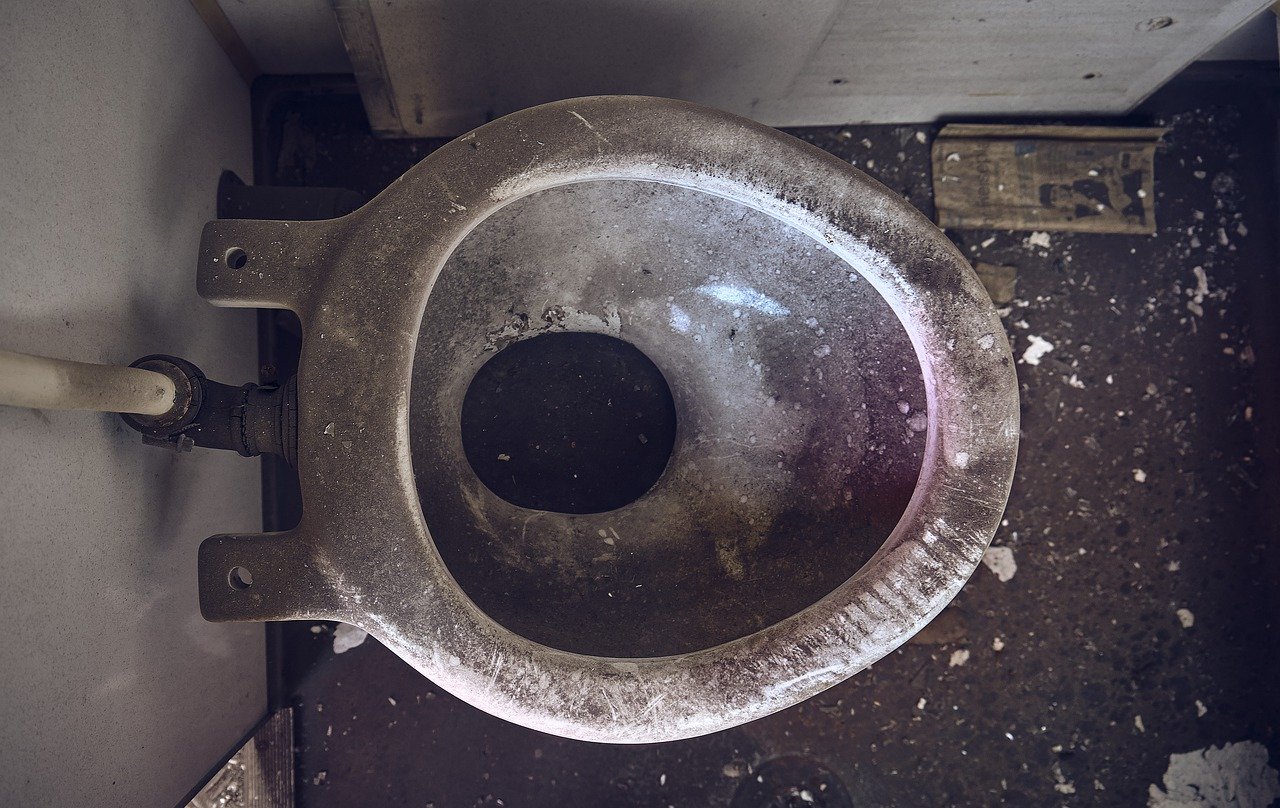
Toilet Bowl Cleaning

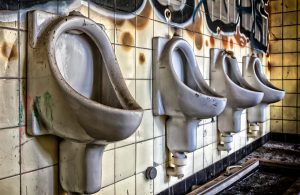
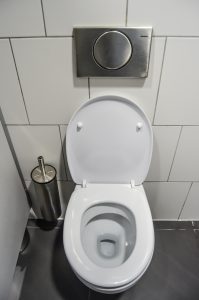
Imagine dropping a bar of soap in a toilet bowl like this… gross!
Cleaning the bar of soap that fell in the toilet

After rinsing it, add a drop of liquid detergent or soap and lather it like you’re washing your hands (with the rubber gloves on). Rinse and store in a dry container or soap dish, and that’s it!

If you are not compelled that it is already thoroughly cleaned, bear in mind that you use soap to clean your body (yes, the soap itself is a cleansing agent). Soaps are made of a combination of surfactants, fats and oil, and alkaline chemicals, mixed thoroughly so you get the cleaning effect from the moment you opened the box of soap up to the last few grams of it. Surfactants help separate solid materials from surfaces, be it your skin, on clothes or even on the soap itself (granting there is water – hence the use of liquid detergent or soap). With the help of friction during the time that you lathered the soap in your rubber gloves, you were able to remove at least a millimeter of thickness of the soap and have removed all possible particles or micro-organism stuck on its’ surface.


Antibacterial Soaps

If you happen to dropped an antibacterial soap, then you can have more peace of mind after rinsing it. Antibacterial soaps like Safeguard contains an antibiotic and antifungal chemical named Triclosan. It is widely used as a preservative and antimicrobial agent in personal care products such as soaps, skin creams, toothpaste and deodorants. It may have killed more organisms during its time in the bowl than the time you have rinsed it, so you could be sure that, as long as you have removed the film around the soap after the drop, then you can re-use the soap already.


Letting it all go? Newsflash: DON’T!

If you have decided that you don’t want to go through this “messy” ordeal and thought of just letting the soap go – do not flush the toilet! Depending on the size of soap, there is a chance it will clog your toilet, and may make things messier. Using your rubber gloves, retrieve the soap and throw it straight into your trash bin (together with the gloves if you want to). This way, you are sure your drain pipes will not be congested.

Do you want to learn more on how CMDA Cleaning Services can help you, your family, or your office fight against COVID-19? Send us an email at inquiry@cmdacleaning.com, or call/text us on any number mentioned above.

Let’s all be well and healthy, wear a face mask, wash our hands frequently, maintain a 1-2 meter physical distance to non-family members, and stay at home if we can. Stay covid-free!
Repercussions of Hiring Inexperienced/Untrained Cleaning Companies

Repercussions of Hiring Inexperienced/Untrained Cleaning Companies

In a recent article posted in Australia, a world class budget hotel chain received several complaints in one of their Sydney branch which was turned into a quarantine facility. The complaints were about  their rooms being obviously not cleaned and not disinfected properly.

A hotel may employ in-house housekeeping staff or they may outsource it from a commercial cleaning company or agency, so what exactly happened and why a hotel of this caliber reached this kind of predicament?

How does this affect us here in the Philippines where cleaning and disinfection companies sprout like mushrooms all over the Metro and services are just a-dime-a-dozen?

“Untrained, unmanaged cleaners are being sent out there to deep clean COVID-positive buildings and nobody’s checking on us.”

Need something cleaned?


This pandemic has brought high demand on cleaning, sanitation, and disinfection services which led to new cleaning service companies opening almost every week – hiring cheap labor, using cheap materials and following unorthodoxed procedures, coupled with the rise of unemployment, opening this type of business is easy peasy. 

Some hotels turned quarantine facility have laid off most of their regular employees and hired demand based workers to save costs in paying benefits. Most of which are inexperienced cleaners and worst, inexperienced and untrained facility disinfection workers.

Remember that these are all cleaners sent into battle as reserved troops with little to no training on how to combat the unseen enemy – the Coronavirus. The said article agreed that it is indeed easy to open a cleaning company now, but all the text materials and resources available are based on standards made years ago, where appearance matter, where missing a spot was okay as long as the overall feel and presenation was great, rather than actually “cleaning” the space.

  • Anybody can become a cleaning company tomorrow.

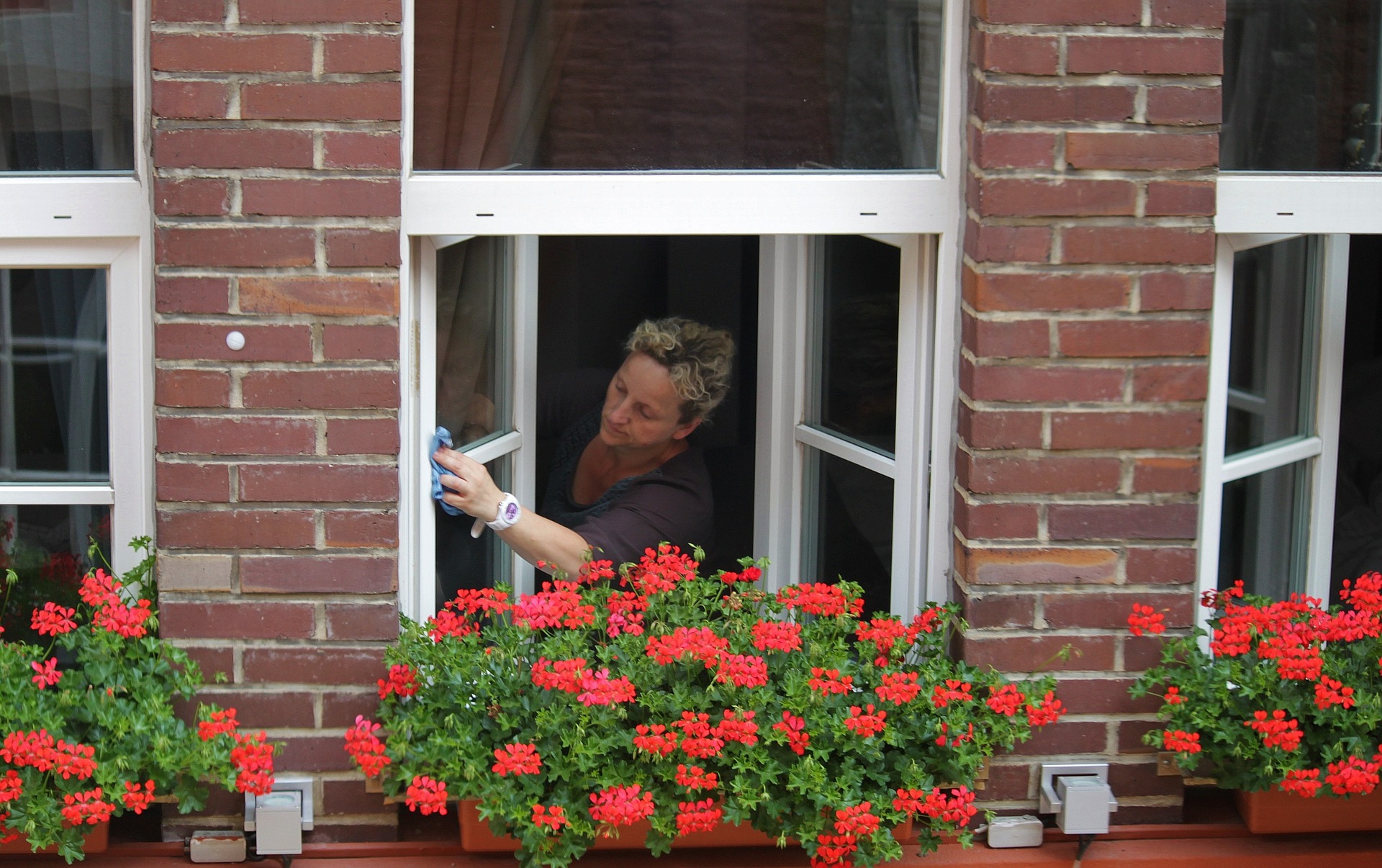
  • Literally you need a mop and a bucket and you’re a cleaning company.
  • Maybe a year ago the requirements weren’t that important because of the fact that people were more interested in the appearance of the property than what they couldn’t see.

So in its essence, learning from the mistake of this big budget hotel chain’s mistake, you cannot simply get the services of untrained/inexperienced cleaning service company for cheaps, because missing a spot to clean or disinfect would mean compromise on you or your occupant’s health.


It’s easy for any cleaning company to come out today and say, ‘I will come and clean and disinfect your space’

But can they? How would you know their processes are OK?

Basically what clients require is someone who has a broom or vacuum, a mop, a “chemical” to clean and disinfect their place. Apart from that, some building require medical certificates and a negative rapid test result, but other than those, that’s it. No questions about their training, what are the principles behind their cleaning process and the devices they use. No questions about FDA approvals and ratings of their “chemicals”, nor asking for their Safety Data Sheets (SDS). We’re not even talking about proper employee compensation, protection, housing, and training. All these require significant investments of time and money. 

Cleaning also involves science, it’s a meticulous process and has to be stud

Does the Department of Health (DOH) accredit and regulate cleaning service companies?


No, the Department of Health does not.

In their latest Licensing/Accreditation/Regulatory Policies and Requirements page, cleaning service companies and housekeeping service providers are not part of what DOH control and regulate. What a “new” cleaning service company need, and hopefully comply with, are your usual business permits (DTI/SEC, City permits, BIR, SSS, Philhealth, PagIbig and the likes). So what do you need to ask everytime you request for a cleaning or disinfection service?

  1. Business permits and length of service
  2. Safety Data Sheet of the chemicals they use
  3. FDA approval of the chemicals they use
  4. A summary of the processes they use
  5. An overview of the disinfection equipment they use

Based on these items, you will know if your place will be cleaned or disinfected well. 


Do you want to learn more on how CMDA Cleaning Services can help you, your family, or your office fight against COVID-19? Send us an email at inquiry@cmdacleaning.com, or call/text us on any number mentioned above.

Let’s all be well and healthy, wear a face mask, wash our hands frequently, maintain a 1-2 meter physical distance to non-family members, and stay at home if we can. Stay covid-free!

How to Kill the Coronavirus

How to Kill the Coronavirus

It’s quite difficult and concerning when we battle with something we cannot see, much more, something we don’t understand. We cannot just hide in fear, cripple our own finances, or worst, walking around carelessly not knowing we are infected or is infecting the people we love. What we know of is that this disease is caused by a coronavirus, and the best way to address this is learning how to kill the coronavirus to prevent the spread.

Below, we will discuss what is a coronavirus, how ist it transmitted and how we can prevent or kill it.

Need something cleaned?

What is a Coronavirus?

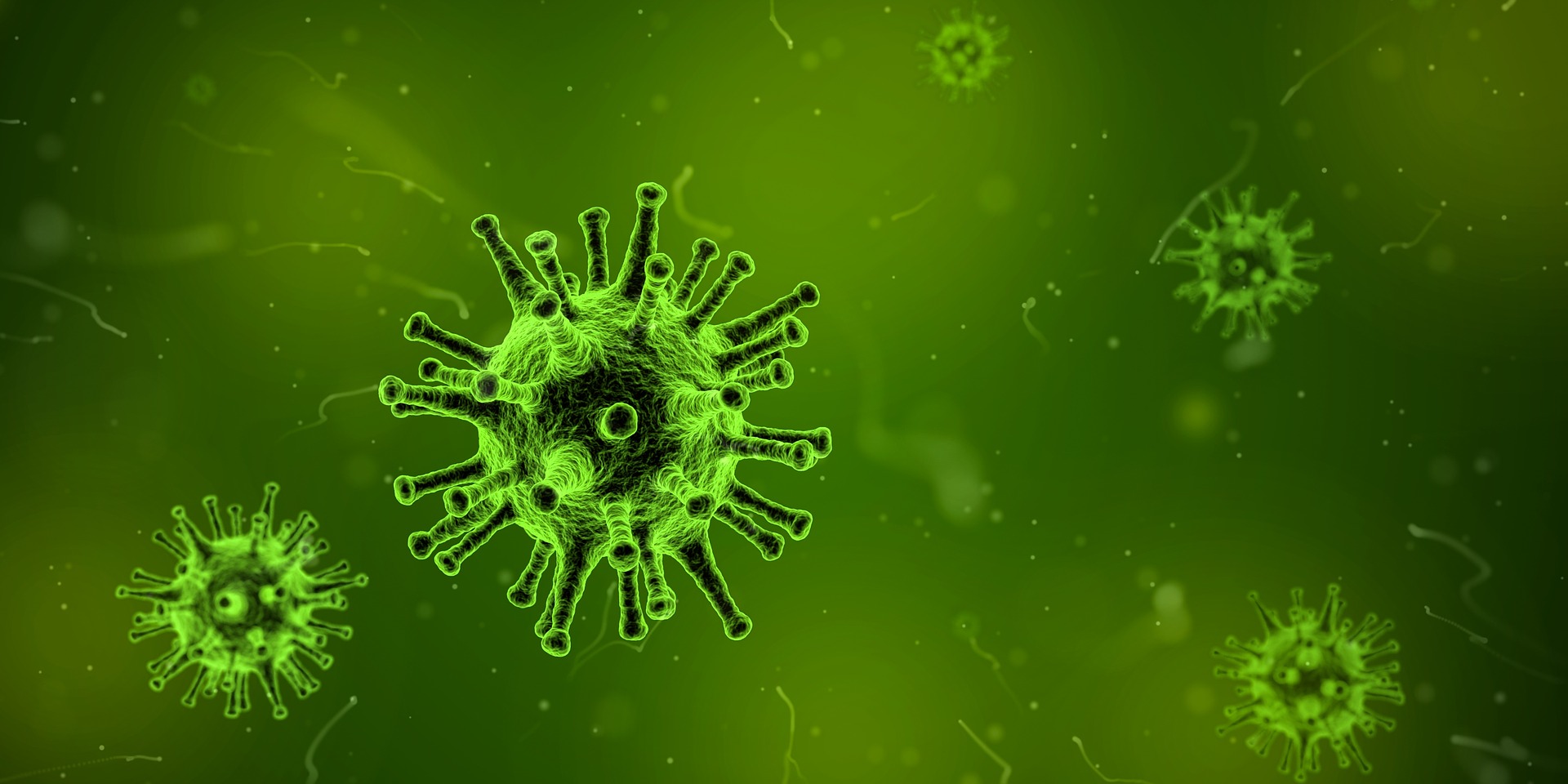
It is a family or  group of related viruses (by RNA) that cause diseases in mammals and birds. In humans and birds, they cause respiratory tract infections that can range from mild to lethal [1]. We humans have been pestered by coronaviruses since 1930, and probably even earlier, only we didn’t have enough knowledge and science about it.

The current Coronavirus is called 2019 Novel Coronavirus (NCoV) that causes COVID-19. There are no established facts about its origins, but some scientists speculate they came from bats.

How does the Coronavirus spread?

The coronavirus itself cannot fly, swim, crawl or move, and relies on carrier modules such body fluids, but more specifically saliva droplets when someone talks, sneezes or coughs. This fact is very helpful because we know what to control – the spread of moisture infected with the virus and the spread of our body fluids of infected individuals.

Simply put, any infected person, knowingly or unknowingly, with symptoms or not, and is at the infectious phase of the infection, can spread the virus by just simply talking to people. When we talk, we spray tiny droplets unseen to the naked eye, and these droplets can carry the virus. This is the reason why wearing a facemask (surgical) is proven to reduce the risk of transmission by up to 95%, and maintaining a minimum physical distance of three and a half (3.5) feet or one (1) meter can even reduce the risk further.

Another point of debate is the spread of the virus through infected surface contact. According to WHO, there is no confirmed timeline how long a COVID-19 virus survives in surfaces. However, most likely it behaves like other coronaviruses. Studies show that coronaviruses can survive on surfaces for a few hours up to several days depending on varied conditions (e.g. type of surface, temperature or humidity of the environment) [2]. Coronavirus just inactivates itself or just sleeps while on surfaces (upon drying) and gets reactivated again once conditions are optimal for them again (like in your mouth, nose or eyes). Given this information, touching surfaces with possible virus contamination will not make you sick, unless you did not wash your hands or disinfect prior to touching your mouth, nose and eyes after.

How to kill the Coronavirus

The methods that we are about to discuss below are ways of killing the virus outside of the body. All the methods mentioned are not to be used internally, like when someone is sick of COVID-19 already. In reality, our immune system is the one killing the virus inside our body, and no known medication has found to be effective in “killing” the virus itself. Vaccines in development are just therapeutic intervention to boost your immune system in case you get an infection.


Ultra Violet Radiation

We’ve seen this in a lot of places – hospitals, malls and even in your favorite salon. UV light sterilization is proven to kill microrganisms like bacteria and viruses by breaking its genetic material and rendering them unable to make a copy of themselves, BUT, UV Radiation can cause skin irritation, damage to your eyes, and cancer. With the proper use of UV radiation, you can stop the virus from multiplying, and with longer exposures and stronger intensities, it can kill the virus.


60 – 80% Ethyl Alcohol

This type of alcohol inactivates enveloped viruses like the coronavirus and in stronger concentration can break the virus itself (and your skin if you ever try applying more than 80% alcohol). Methyl and Isopropyl are more of germicidal (microbes like E. coli and Staph), and all alcohol lacks the means to destroy or inactivate bacterial spores [3]. This shouldn’t be the main go to when disinfecting or sterilizing surfaces as it can damage the surface you are protecting to begin with, be it your skin or wooden table. Even hospitals and surgeons would rather use different chemicals to completely sterilize utensils, equipment and surfaces.


Hydrogen Peroxide

This chemical is good for a wide range of bacteria, virus and fungi. At optimal concentration (6% – 25%) and duration application (6-20 minutes), it attacks the genetic material and kills the organism, proving to be a good sterilant. The only problem why we don’t use this widely is because it is difficult to maintain its efficiency during storage. Storing it on transparent or semi transparate containers, including poorly sealed containers can drastically reduce its efficacy.


Chlorine BleachChlorine

This pertain to Chlorine byproducts such as Hypochloric and Hypochlorous acid solutions/chemicals (household bleach). Chlorine, at the right concentration (5-6%), kills viruses, bacteria and fungi as long as you ensure that it is soaked for some time (30 seconds to 10 minutes depending on surface – don’t immediately wipe!). Chlorine breaks down a lot of things in bacteria and viruses, but it doesn’t mean you use it at full strength, nor add other chemicals such as alcohol to make it stronger. Chlorine products on its own emits chlorine gas which is toxic to humans, and adding chemicals other than water can produce fumes that can be lethal to the user.


Lauryl Dimethyl Benzyl Ammonium Chloride

A member of the Qauternary Ammonium Compound disinfectant solutions, they are known to be effective germicide, fungicide and virucide – specifically to enveloped viruses such as the coronavirus. It has been used in hospitals for a long time already, and the latest that it was widely used all over the world was during the SARS epidemic of 2002 with the use of Lauryl Dimethyl Benzyl Ammonium Chloride (LDBAC). It was proven to be effective, and at the same time does not affect the user nor the skin or surface you apply it on. It disrupts the envelope or membranes of bacteria, viruses and fungi, exposing its genetic material, and killing them entirely (these viruses, bacteria and fungi are literally skinned alive). Optimally, the disinfection procedure when using this chemical should involve eletrostatically charging the solution to get a long lasting disinfection effect.


In anyone’s search on how to kill the coronavirus, it is very important to point out that using any of these methods and chemicals requires extra attention to safety, duration of exposure be it the user or the surface, and the strength or concentration for them to be fully effective. It is always best to check with the instruction label or manufacturer’s recommendations to ensure you are using the product correctly.

Do you want to learn more on how CMDA Cleaning Services can help you, your family, or your office fight against COVID-19? Send us an email at inquiry@cmdacleaning.com, or call/text us on any number mentioned above. Let’s all be well and healthy, wear a face mask, wash our hands frequently, maintain a 1-2 meter physical distance to non-family members, and stay at home if we can. Stay covid-free!

How CMDA Cleaning Services Can Help You In Your Fight Against COVID-19

How CMDA Cleaning Services Can Help You In Your Fight Against COVID-19

This health crisis has been causing anxiety and paranoia to a lot of people, especially in the sanitation of their home and the health of their family. The coronavirus has changed our society into a “New Normal”, with minimum safety precautions set and with dozens of adjustments in our daily routines. It has become a challenge, and for some, a battle to prevent the dreaded disease from coming to their employees, offices, families and home.

CMDA Cleaning Services has been through this battlefield, and continuously help families, organizations and offices, in keeping their place clean, and offering sustainable solutions to ensure that the “New Normal” works within their favor.

Need something cleaned?

DISINFECTION

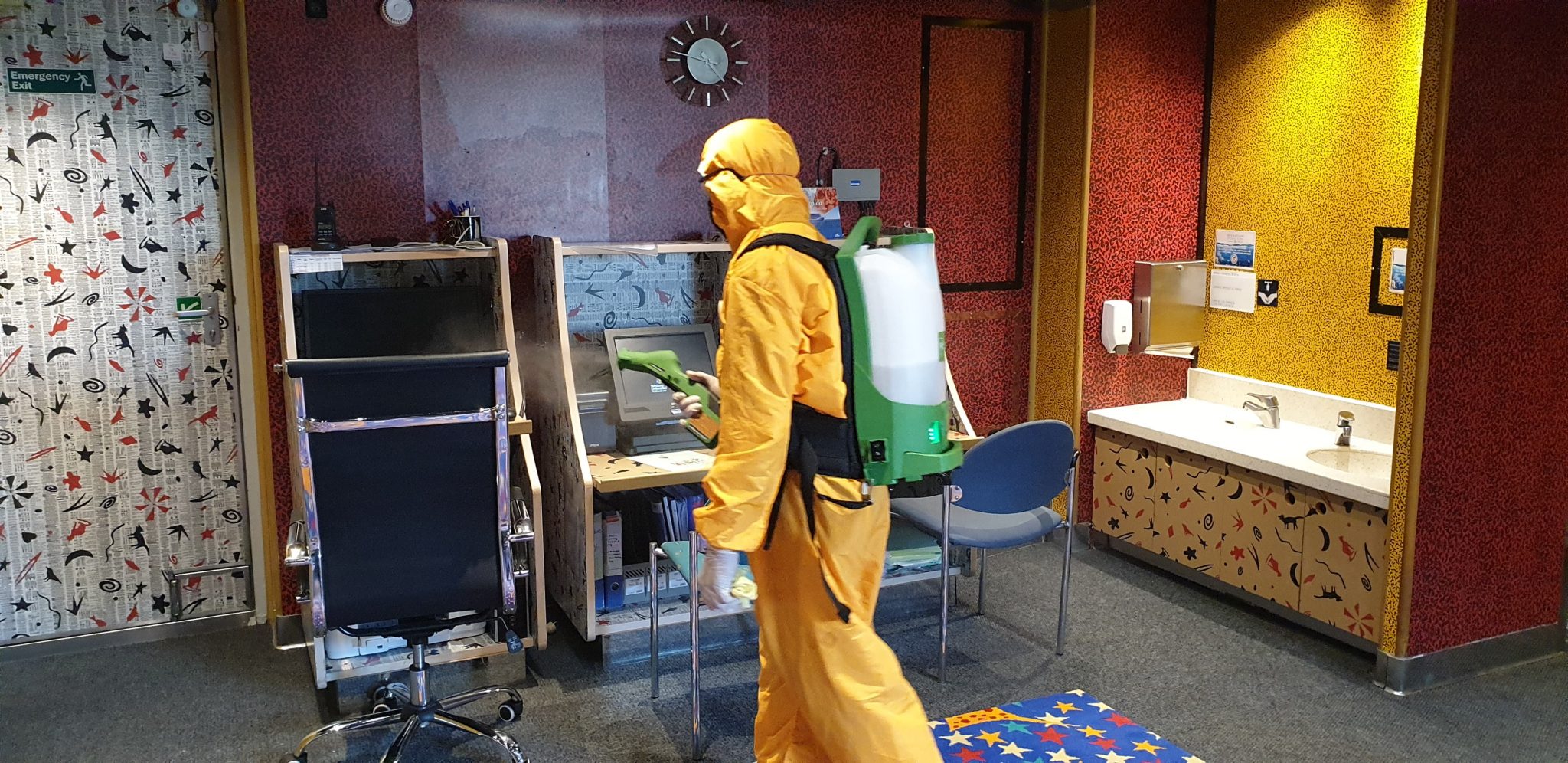
We have disinfected several places and surfaces already, from Quarantine Rooms, cars, homes, offices, up to an International Cruise Ship! Yes, this is how versatile our disinfection service options are – from pat down surface disinfection, fogging, ultro low volume spray/mist, to electrostatic disinfection. Utilizing Quaternary Ammonium Chloride disinfectant chemicals which proven efficient since the SARS outbreak. All our processes and chemical solutions are FDA and WHO approved, for your peace of mind. 

We also ensure that we are tough on viruses and bacteria, but gentle on the people utilizing the space we disinfect. This also includes our beloved pets and house plants. Our disinfection process does not give respiratory problems, even just minutes after application. We also ensure that all electronic equipment and gadgets will be functioning well.

(Disinfecting Costa Atlantica July 2020)

Home and Office Deep Cleaning

We know the importance of a clean and safe environment for your family and colleagues. Our expertise has originally been professional and thorough cleaning of homes, condo units, offices, restaurants, warehouses, churches and other areas, small or big. During this time, our deep cleaning involves wipe down of surfaces for disinfection as a removal of bacteria and viruses. 

To ensure that we get the job done, all our cleaning chemicals are FDA approved and are proven to clean surfaces, while at the same time we ensure that all occupants will not get any other ailments such as dermatitis and respiratory diseases.

Our customized approach in deep cleaning ensures it fits exactly, and sometimes even more than, what the clients need.


Free Foot Powered Alcohol Dispensers for Offices

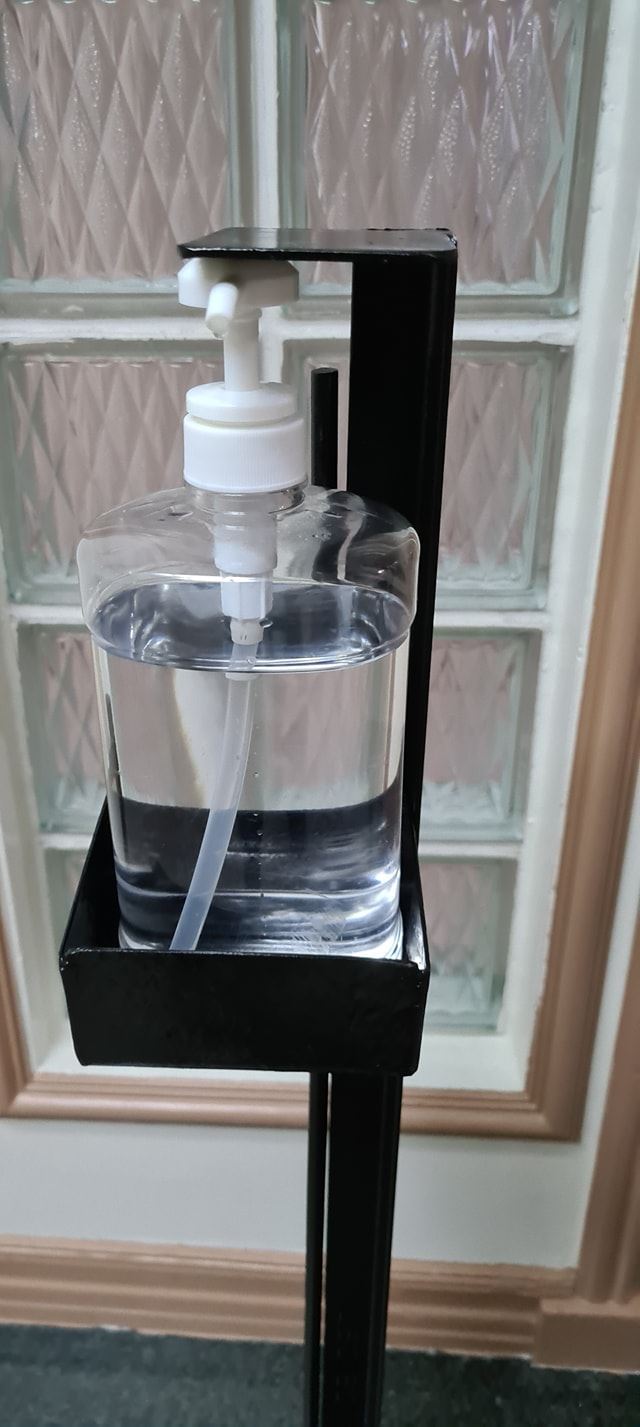
We provide a free foot powered alcohol dispenser when your availment of our disinfection service reaches a certain amount (which usually most of our office disinfection services reach). As one of the minimum health requirement, disinfecting your hands through hand washing, alcohol or hand sanitizer, we ensure that the offices we disinfect is one step ahead towards meeting this by providing such tools.

We have helped several offices already and have given dozens of foot powered alcohol dispensers already, that we now add a free air purifier on their next disinfection service. For our home cleaning clients, we provide nano mist spray to help sanitize the air in their humble abode. We have provided all these extra measures so that even if our team is not present, there are still tools in their area that can help sanitize their hands and surfaces, and be COVID-19 free.

Do you want to learn more on how CMDA Cleaning Services can help you, your family, or your office fight against COVID-19? Send us an email at inquiry@cmdacleaning.com, or call/text us on any number mentioned above. Let’s all be well and healthy, wear a face mask, wash our hands frequently, maintain a 1-2 meter physical distance to non-family members, and stay at home if we can. Stay covid-free!

Toilet Bowl Cleaning

Toilet Bowl Cleaning

Learn how to clean toilet bowls from the pros! Cleaning toilet bowls, whether it is in your home or office, can be very challenging. No matter how much you scrub it and pour acid on it or what-not, stains seem to stick so hard, you are tempted to replace it instead. Toilet bowls that were not tended or weren’t given enough cleaning attention can be more challenging, especially if the last cleaning made was a couple of weeks ago already.

Below, you can find an extensive way of cleaning toilet bowls and how you could do it like a pro. All steps are detailed and all cleaning materials are commercially available. 

Need something cleaned?

Getting Ready for your Toilet Bowl Cleaning
You will need the following:

  1. Rubber gloves – those that you use for laundry and cleaning other parts of the bathroom or house.
  2. Face mask – safety first! We don’t want anything splashing toward your mouth or inhaling any fumes from the cleaning chemicals.
  3. Toilet bowl brush – Nylon or plastic, as long as it has bristles or rough surface that can scrub your toilet bowl, and have a long handle so you don’t get elbow deep in cleaning.
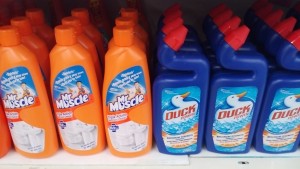
  4. Commercial Toilet Bowl Cleaner – Anything that is off the shelf from your grocery store that says “Toilet Bowl Cleaner”.
  5. Sponge Scrubber – Commercially known as “Scotch Brite”.
  6. Pail and basin/water sprinkler – anything that you can use to rinse your toilet bowl.


Cleaning your Toilet Bowl

As soon as you have them all, here are the step by step process on how to clean your toilet bowl like a pro:

  1. Wear your safety gear – mask, goggles, rubber gloves.
  2. Remove the cover of your toilet bowl water tank/reservoir.
  3. Using your pail or water sprinkler, wet your toilet bowl – this will loosen up the dirt a little bit and prepare the surface for easier chemical interaction.
  4. Using your toilet bowl brush, lightly scrub your toilet bowl, especially on surfaces with stain – this is so that the chemicals can interact with the stain faster.
  5. Pour in some toilet bowl cleaner – check the instructions on exactly how much you need to pour, but generally, you should have the whole toilet bowl surface thinly covered with the chemical. Alternatively, you can pour 2 caps (the cap that came with the toilet bowl cleaner) in your toilet bowl where the water is, and also 2 caps in the water tank/reservoir. scrub it to lather and use the foam to cover the whole surface.
  6. Let it soak and stand for 10-15 minutes – you can do some other light chores while waiting for this step to end.
  7. Splash a little water on your toilet bowl.
  8. Start scrubbing using your toilet bowl brush – most of the stain are easy to remove by now with just a few brush strokes. If there are still hard to remove stains, use your sponge scrubber. If the stain still persist, repeat steps 3-6.
  9. Scrub the inside of your toilet bowl tank/reservoir – Since this part was soaked longer and came into contact with the cleaning chemicals more without drying up, this would be easier to scrub and clean.
  10. Flush your toilet – this would flush down and replace the water present in the bowl. By this time you should be able to see an improvement in your toilet bowl. There could be some random stains here and there which you may have missed due to the suds/foam, you can simply scrub it off or repeat steps 3-6 if you need to.
  11. Rinse your whole toilet bowl – get rid of the extra suds around your toilet bowl.
  12. Establish a regular cleaning schedule for your toilet bowl – this way, you can ensure that the next cleaning would be much lighter than what you have just did. Ideally, cleaning should be done at 3 to 7 days interval.


What is the best commercial toilet bowl cleaner?

We have found that Mr. Muscle Toilet Cleaner is the strongest in terms of cleaning power, as we have discussed in our Toilet and Bath Challenge article. Although, since it is the strongest in our experience, it is to be used with most care as it sends off an offensive smell due to some of its ingredients – Hydrochloric Acid and Hypochloric Acid.

What is the difference between a toilet bowl cleaner, an all-purpose cleaner, and a disinfectant cleaner?

Chemical composition. They all contain surfactants but they contain different levels of acids or chlorine compound derivatives. All-purpose cleaners mainly contain surfactants only, and disinfectants mainly contain chlorine compound derivatives, while toilet bowl cleaners contain a mixture of both.


What makes this diferent from any other ways of cleaning toilet bowls?

Soaking – we usually just splash, scrub, rinse away any surface we clean, and when the stain doesn’t go away after a rigorous scrubbing, we give up. Almost all chemicals we use for cleaning requires some soaking time, this will give the stain and the chemicals more time to react with each other. Each chemicals interact with different stains, either they dissolve the stain or loosen it up, but either way, it needs some time to do its job.


We hope that you learned a lot from this article. If you are still having a hard time cleaning your toilet bowls, or is in need of professional cleaning help, contact us or send us a message on Facebook. For more cleaning tips, check out our other blog articles.